What is photorealistic 3D rendering?
3D rendering: building trust through visual precision
At Simulated Image we specialise in turning technical ideas into realistic visual experiences. But what does it actually mean when we talk about photorealistic 3D rendering? We take a closer look in this guide.
What is photorealistic 3D rendering?
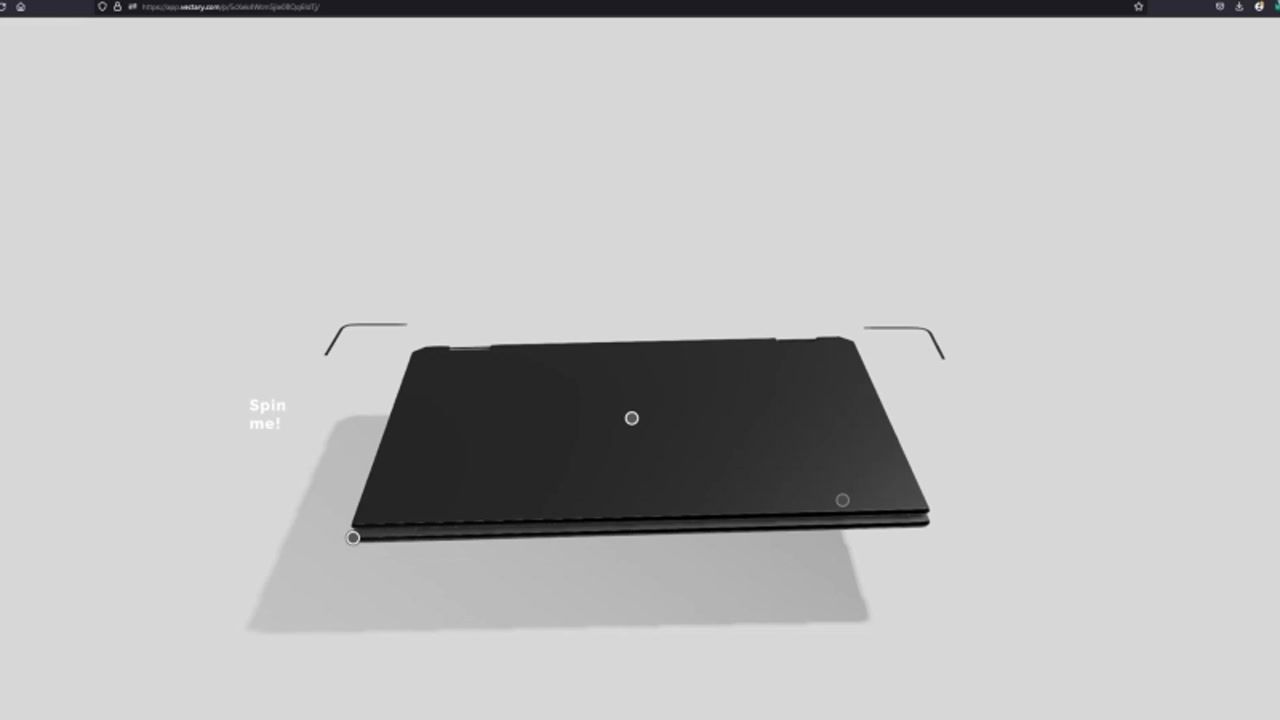
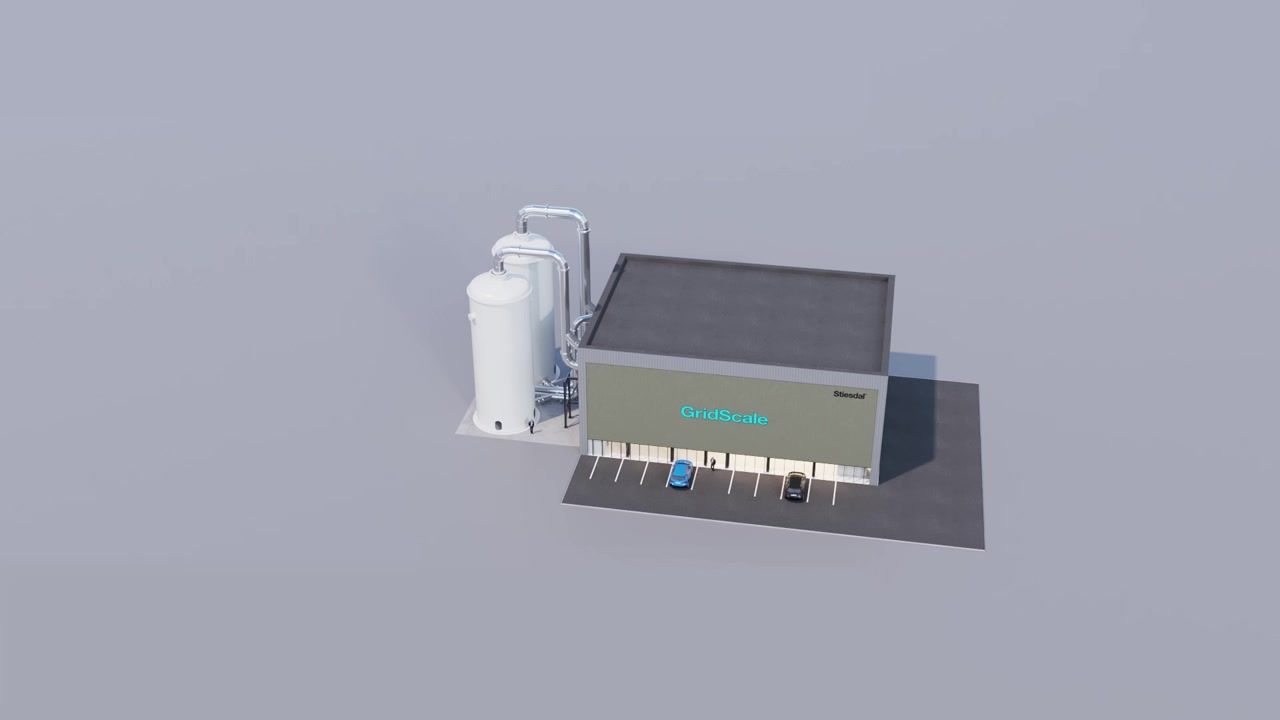
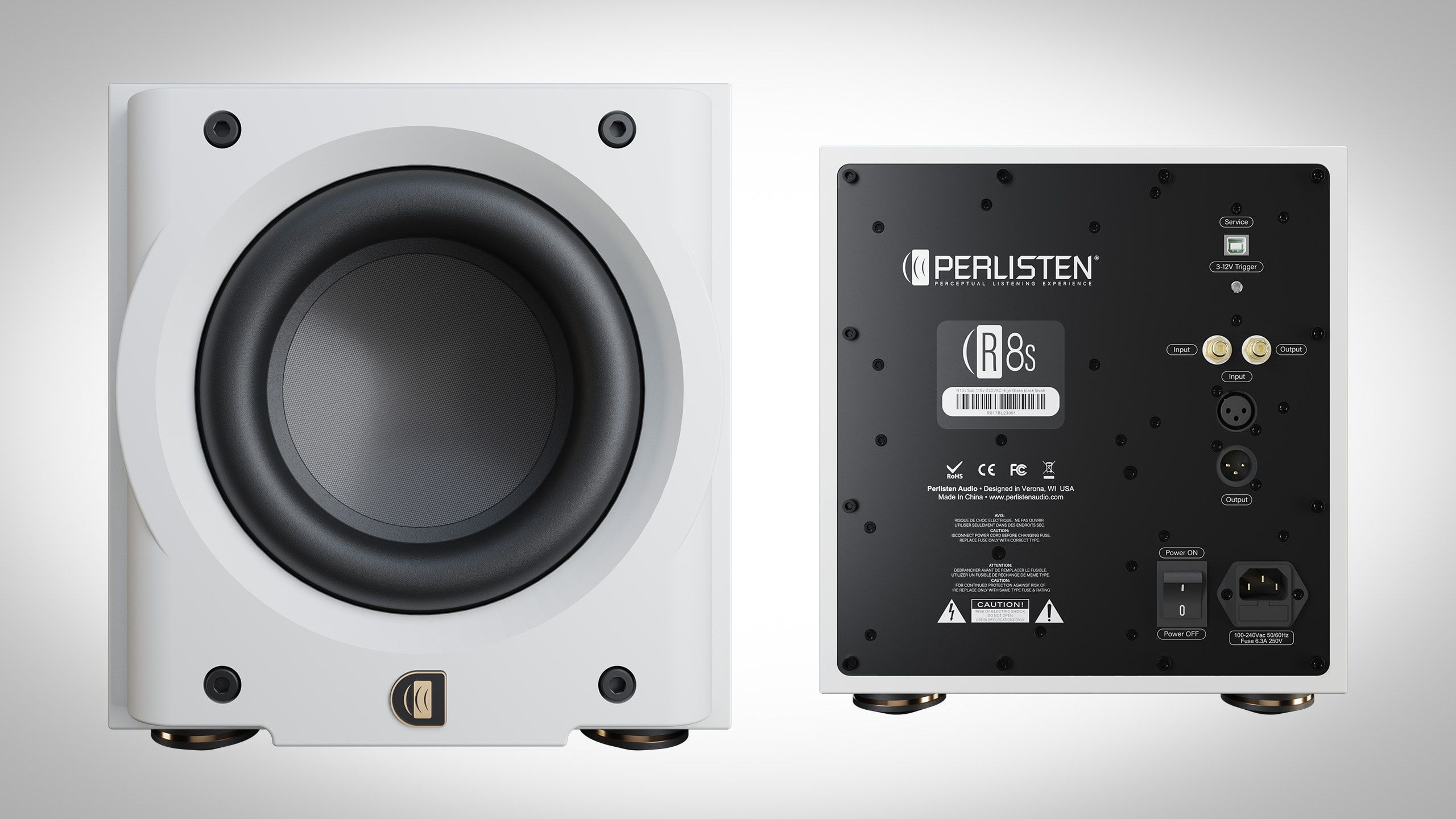
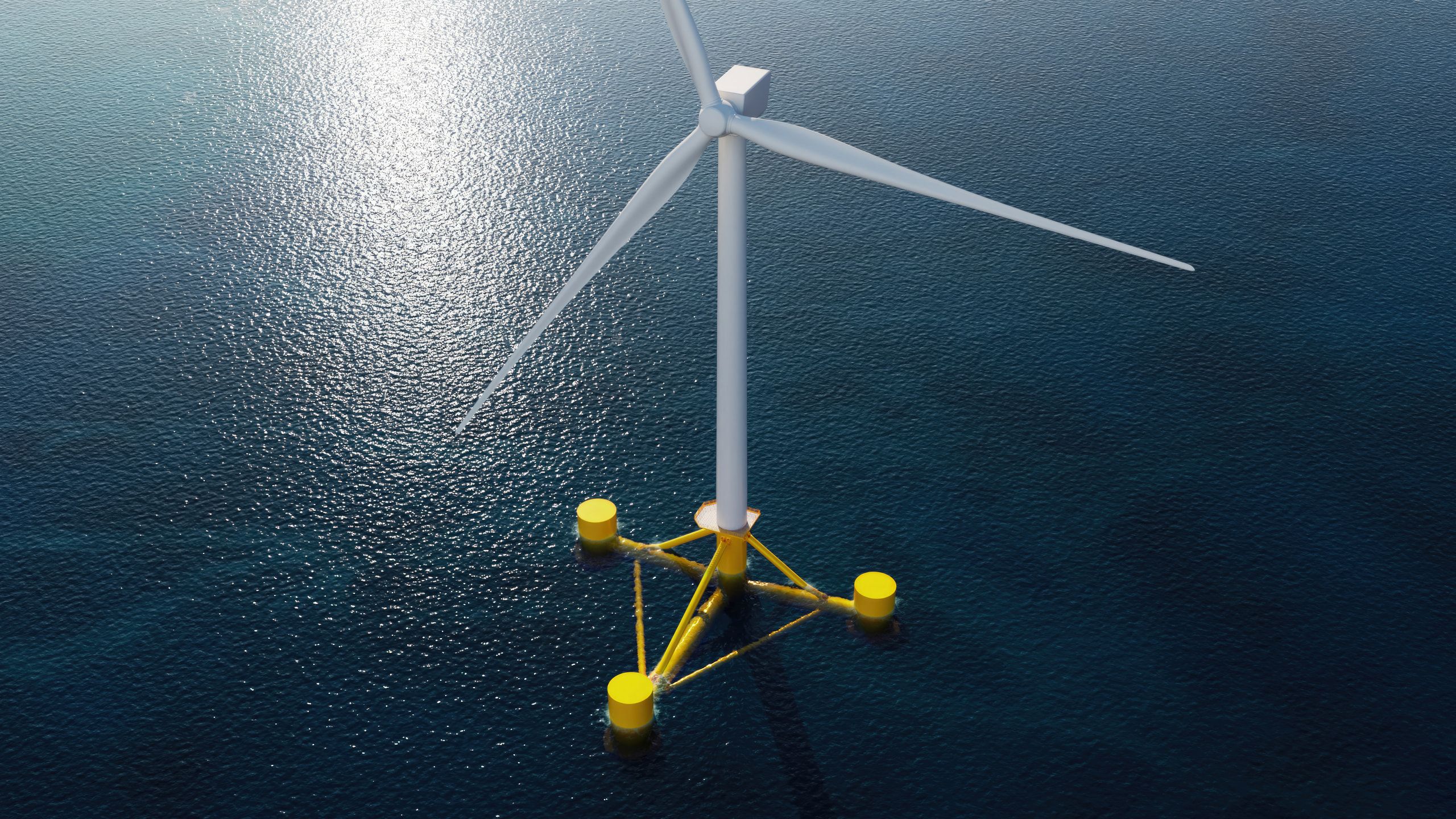
Photorealistic 3D rendering is the process of creating digital images so true to life that they are almost impossible to tell apart from photographs. It is about capturing the essence of reality digitally.
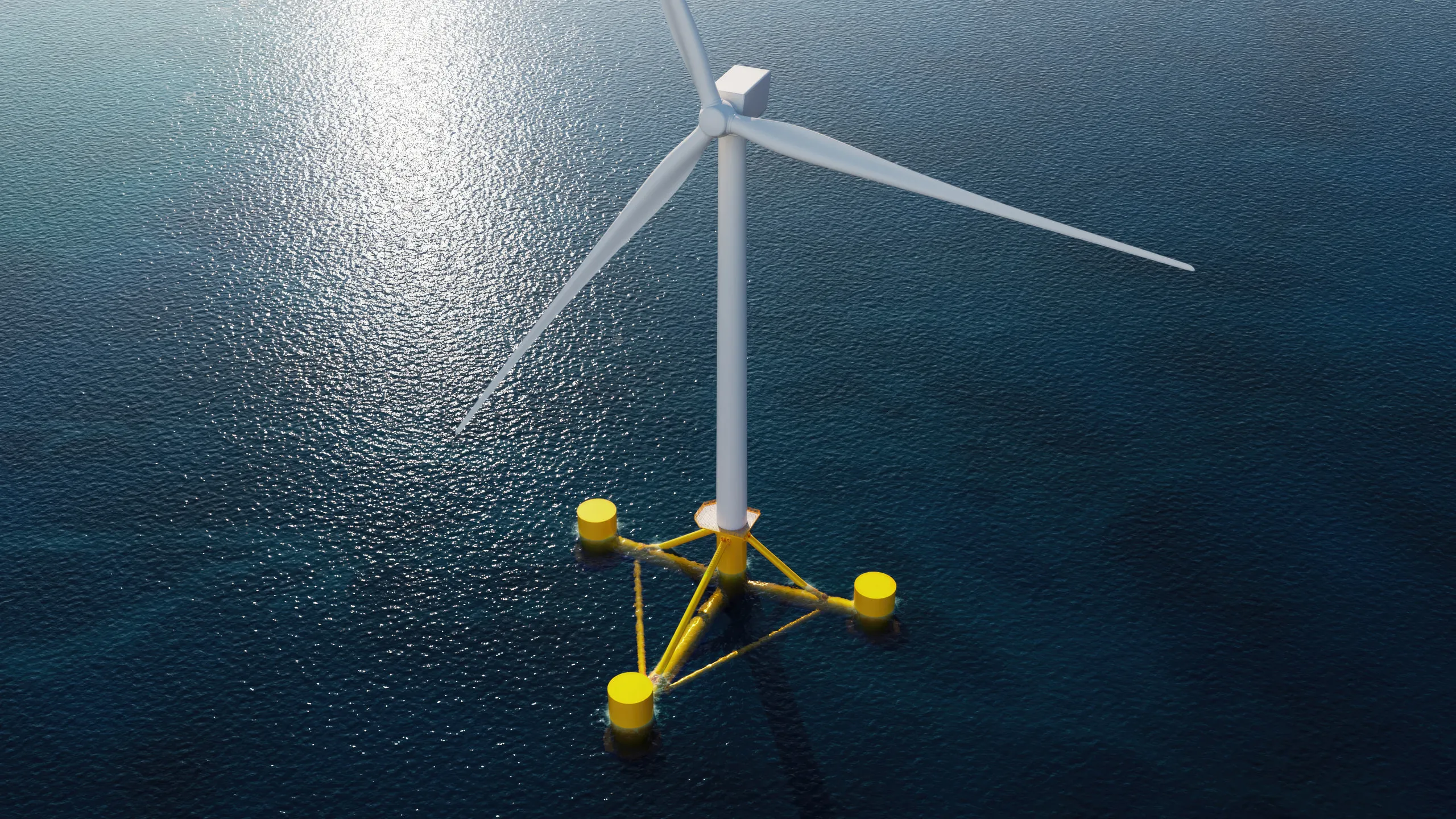
The difference between stylised 3D and photorealistic rendering
 Stylised 3D
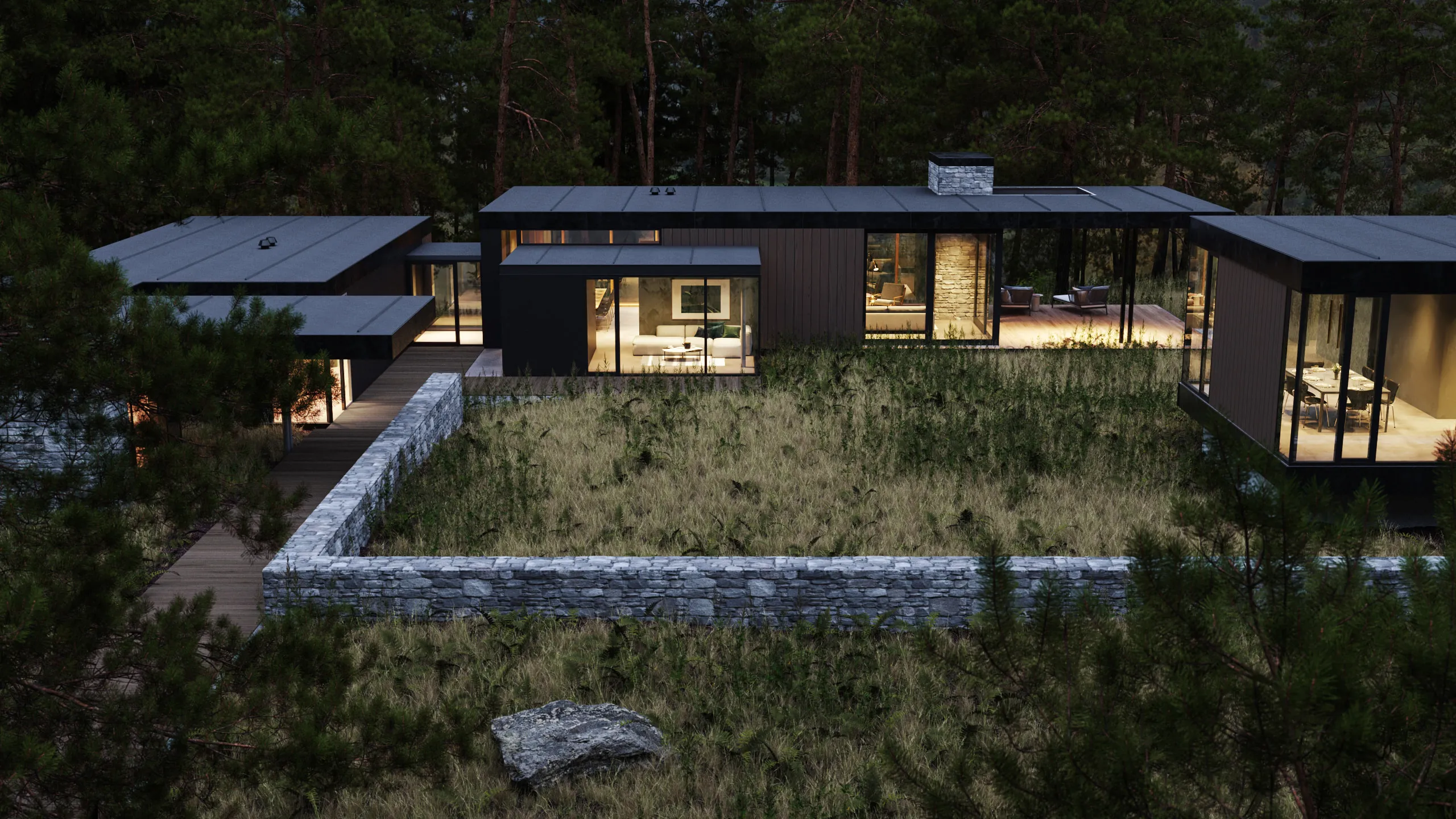 Realistic 3D
Most people have seen 3D images, but there is a big difference between a simple illustration and a photorealistic rendering. Here are some of the differences between realistic and stylised 3D:
| Property | Stylised 3D | Photorealistic 3D |
|---|---|---|
| Light and shadows | Simple and flat | Complex and physically correct |
| Materials | Basic colours, often with an artistic angle | True-to-life textures and depth, realism |
| Level of detail | Low or moderate: focus on the big picture | Very high (scratches, dust, gloss) |
| Credibility | Good as a sketch, often great for communication | Excellent as sales material |
With photorealistic 3D rendering we replicate the nuances of reality. We simulate how light hits different surfaces and casts soft reflections, exactly as in a photo studio.
The key to realism: materials, light and detail
To trick the eye into believing it is looking at a photograph, we focus on three pillars:
- Material properties: We work with how surfaces interact with their surroundings. Is it polished metal, matte plastic or clear glass? We simulate refraction and the fine details of a texture, such as wood grain or the weave of a fabric.
- Lighting: Light creates depth and mood. We use physically correct lighting where light “bounces” around the scene just as in the real world, producing the soft shadows that make an object feel tangible.
- Level of detail: The small imperfections, subtle irregularities in a surface, are what make a digital model authentic.
When should you choose realism?
Choosing the highest visual quality is a strategic decision that strengthens your marketing and communication, but it is not always the right choice.
- Build trust before production: You can present products before they physically exist, ideal for collecting feedback or taking pre-orders.
- Professional image: High-quality images signal that your company and products are top class.
- Flexibility: In a digital set-up we can change angles, colours and environments much faster and cheaper than in a traditional photo shoot.
Statistics show that visual communication is extremely effective: the vast majority of visitors prefer video and images over heavy text when they need to understand a complex product.
When should you choose the stylised approach?
Choosing a “lower” visual fidelity is not necessarily the wrong choice.
- Budget: Stylised 3D is almost always cheaper: sometimes significantly so.
- Focus on explanation: Fewer details often means less noise in the image, which helps when the goal is to explain a message visually.
- An artistic angle: When realism is not the benchmark, there is more creative freedom to play with shape and colour.
Frequently asked questions
What does a photorealistic render cost?
Our hourly rate for projects is DKK 850. The price depends on how complex the model is and how much detail the scene needs. For an instant estimate, you can use our price calculator.
What files should I provide?
We often work from CAD files, drawings or simple sketches. We then build the digital model from scratch or optimise your existing data.
Shall we bring your project to life?
Get in touch today for a no-obligation conversation about your specific challenge.