3D animation vs. traditional video, which should you choose?
The best solution for your business?
At Simulated Image we specialise in turning complex ideas into engaging, realistic visual material, using 3D software to create high-quality visualization and animation. You may be facing the choice: should we invest in traditional video or 3D animation? Both have their strengths, but when it comes to communicating complex messages, especially for technical products or architecture, 3D animation offers some unique advantages.
In this article we explore the key differences, pros and cons of 3D animation vs. traditional video, so you can make the best choice for your company’s next project.
Understanding the difference: 3D animation vs. traditional video
Before we dive into the details, let’s briefly define what we mean by 3D animation and traditional video here:
- Traditional video: Filming real objects, people or places with a camera: a product video, a commercial or an interview. The result is an authentic representation of reality.
- 3D animation: Creating moving images in a digital 3D space. It involves modeling, texturing, lighting and rendering objects that don’t exist in reality or can’t be filmed. At Simulated Image we use software such as 3ds Max, Blender and V-Ray, and create everything from simple models to complex, realistic scenes.
Product explanation: where 3D animation stands out
When it comes to explaining a product, 3D animation often has a clear advantage over traditional video, especially for products that are complex, new or don’t yet exist physically. That can be anything from short explainer clips, like the one below, to very complex technical stories about industrial products.
PensoPay, payment solution
Visualizing features you can’t see
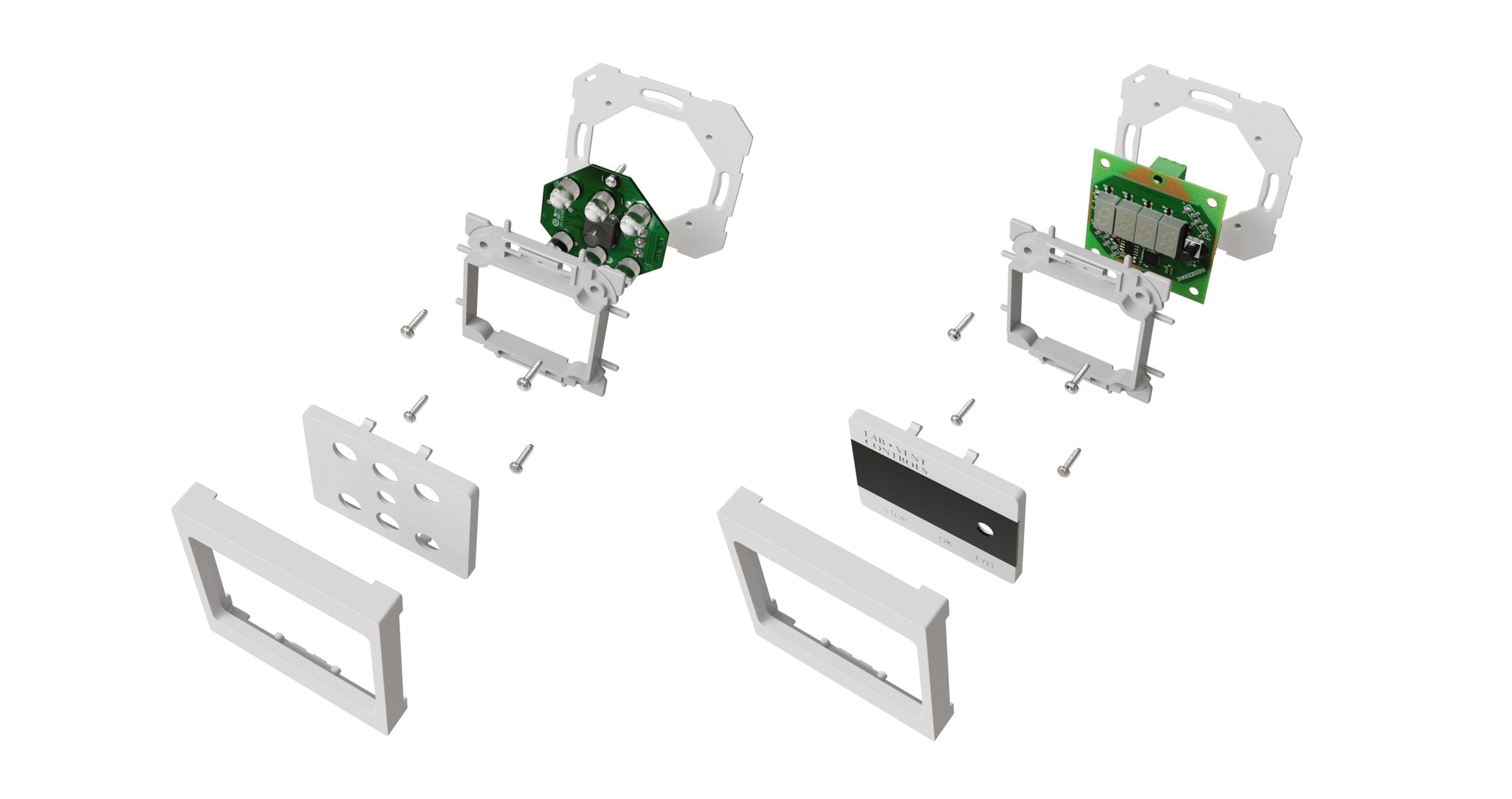
One of the biggest strengths of animation over traditional video is the ability to visualize the invisible. Does your product have a complicated internal mechanism? Does a chemical process need explaining? In 3D we can show things that are impossible to capture on camera. We can:
- Cut products open to reveal internal components.
- Isolate parts and demonstrate their individual function.
- Show processes happening at microscopic scale or under extreme conditions.
- Make abstract concepts tangible and easy to understand.
This is particularly valuable for companies in industry, technology and the green transition, where products are often advanced and need a thorough explanation for potential customers to understand their value.
Showing it before production
What if your product doesn’t exist yet? Traditional video needs a physical prototype, which can be expensive and time-consuming. With 3D animation we can create realistic visualizations and animations of your product long before it goes into production. We have helped clients such as Stiesdal with projects not expected to be built for several years, by visualizing their future plants and technologies. That lets you:
- Market and sell products before they are ready for physical production.
- Collect feedback from potential customers at an early stage.
- Impress investors with a concrete visual expression.
- Save money on expensive prototypes and photo shoots.
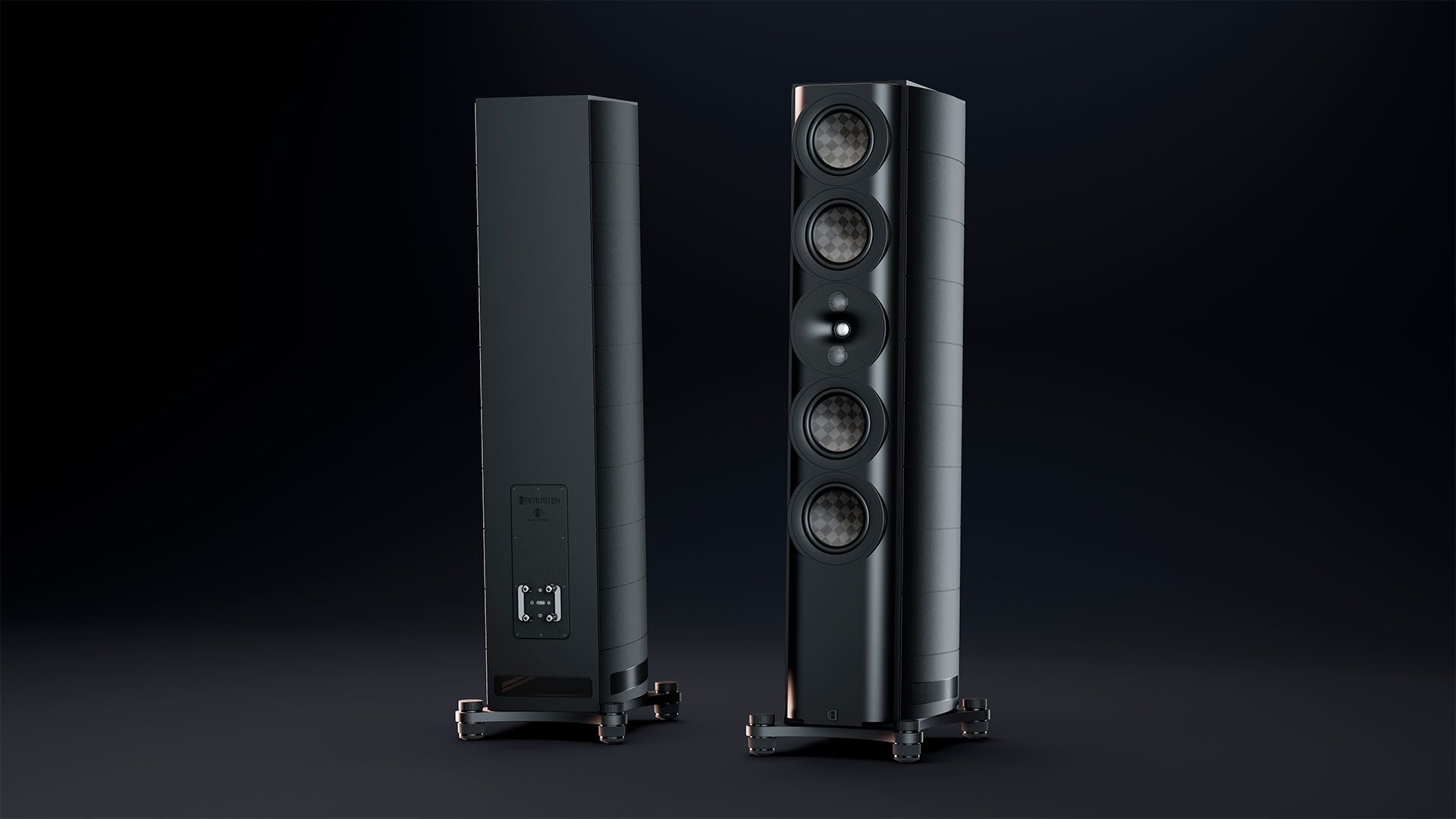
Our expertise in 3D visualization and 3D animation ensures your product looks perfect, wherever it is in development: professional imagery without the limitations of traditional photography.
Benefits of 3D animation for complex and technical products
When it comes to communicating the benefits of advanced products, 3D animation outperforms traditional video on several points. This is where our core skills really come into their own.
Complete control over environment and presentation
In 3D we have full creative control over every detail. We can create the perfect environment, the ideal lighting and the most convincing camera angles to show your product at its best. That is often a challenge with traditional video, where weather, changing light and limited locations can be restrictive. We can:
- Place your product in scenarios that would otherwise be impossible or too expensive to film.
- Change colours, materials and textures with ease.
- Ensure consistent branding and visual style across all material.
Our 3D product configurators take that control a step further, creating digital experiences where customers can explore and customise products themselves.
Flexibility and reusability
A 3D model is an investment that pays off over time. Once created, it can be reused and adapted for countless purposes: a decisive factor in the 3D animation vs. traditional video discussion. Where filmed video is often locked in content and look, with 3D models we can:
- Create new animations from different angles or with changed features.
- Generate high-resolution images for print, brochures and web.
- Use the models in interactive web applications or 3D product configurators.
- Easily adjust or update the product without filming again.
That saves long-term costs and gives unmatched flexibility in your marketing. Instead of planning, shooting and editing new videos, we can quickly generate the content you need from existing 3D assets.
Comparison: 3D animation vs. traditional video
To give a clear overview of the key differences, here is a table summarising the pros and cons:
| Feature | 3D animation | Traditional video |
|---|---|---|
| Product before production | Yes | No |
| Invisible features | Yes | Difficult |
| Creative control | High | Moderate |
| Flexibility | High | Low |
| Level of realism | High, but not perfect; you can often tell it is computer-generated. | Perfect, this gives your brand a credibility you cannot achieve with 3D in the same way. |
| Time (start-up) | Moderate | Can be quick if the product or project already exists |
| Cost (start-up) | Potentially high for technical animations. | Moderate, if the subject is easy to film it can be cheaper than 3D; if it is hard to film it can be far more expensive. |
| Cost (long term) | Low: the reusability of 3D is one of its biggest advantages. | High |
When should you choose which?
The choice between 3D animation and traditional video often depends on your specific needs. Our recommendations are typically:
- Choose 3D animation if:
- Your product is complex, technical or has invisible features that would be hard to show on film.
- The product hasn’t been produced yet or only exists as a prototype.
- You need full creative control over the scenario and presentation.
- You want flexibility and reusability of your visual material over time.
- You market in sectors such as industry, architecture, healthcare or cleantech.
- Choose traditional video if:
- You want to show real people, places or events.
- The products are simple and easy to film in use.
- You have a tight immediate budget and little need for later changes.
- You need maximum credibility, for example, if you want to show that your projects really exist.
Often a combination of both is the most powerful option. For example, a traditional video can introduce a product, after which 3D animation takes over to explain the advanced features in detail: the best of both worlds.
How we work at Simulated Image
As a 3D studio based at Agro Food Park 15, 8200 Aarhus, Denmark, we are dedicated to delivering tailored solutions that meet your exact needs. Our process usually starts with a thorough dialogue to fully understand your product and message. We then turn your vision into reality through 3D modeling and animation.
We use only the best tools in the industry, including 3ds Max, Blender and V-Ray, to ensure realistic results.
We also use AI as a tool to enhance existing 3D images or to brainstorm visual ideas, but it is important to stress that AI does not generate the final images. Our craft and expertise ensure the high quality, and make sure your product is presented accurately and correctly.
With 3D we can document our choices. We can prove the exact scale, for example the distance between individual components, which is impossible if the image was made with a prompt.
We never prompt a finished solution.
If you have a specific project in mind but would like a sense of the cost before getting in touch, try our price calculator and get an estimate in just 2 minutes.
Conclusion
While traditional video still has its place, 3D animation offers clear advantages in certain scenarios, especially when it comes to communicating complex products and ideas effectively. It gives you the freedom to show the invisible, market before production and keep full control over your visual expression.
At Simulated Image we specialise in delivering exactly these solutions. We help companies stand out, engage their audience and sell more by creating visual material that is both informative and captivating. If you are ready to explore how 3D animation can transform your communication, contact us at info@simulatedimage.dk or call +45 25 79 73 92.
Visit our 3D animation page to see examples of our work and learn how we can help you.
FAQ about 3D animation and video
What is the main difference between 3D animation and traditional video?
The main difference is where the images come from. Traditional video records the real world with a camera, while 3D animation creates images and movement digitally in a 3D environment, giving full control over elements that don’t yet exist physically or are invisible.
Is animation always more expensive than traditional video?
Not necessarily. The initial cost of 3D animation can be higher, because building the models from scratch requires specialised software and expertise. In the long run it is often more cost-effective, since 3D assets are extremely flexible and can be reused for many purposes without new filming.
Can 3D be used to market products that haven’t been produced yet?
Yes, that is one of the biggest advantages of 3D animation. We can create realistic visualizations and animations of your product long before it is ready for physical production, letting you market it, collect feedback and attract investors early in development.
Which industries benefit most from 3D animation over traditional video?
Industry, architecture, product design, technology, medical and green-transition companies often find great value in 3D, because their products and processes tend to be complex, technical and hard to visualize with traditional methods.