Product visualization, the shortcut to a razor-sharp presentation
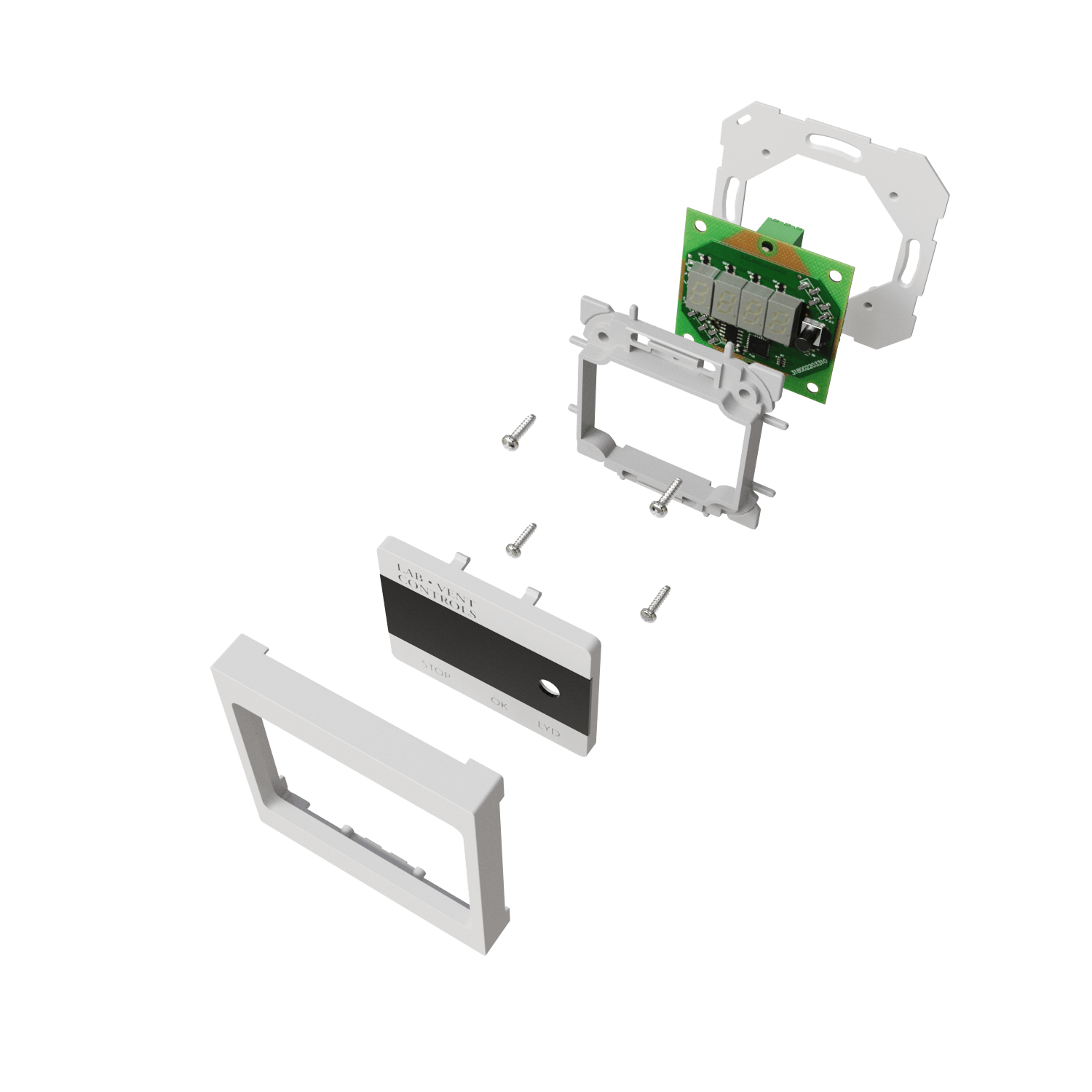
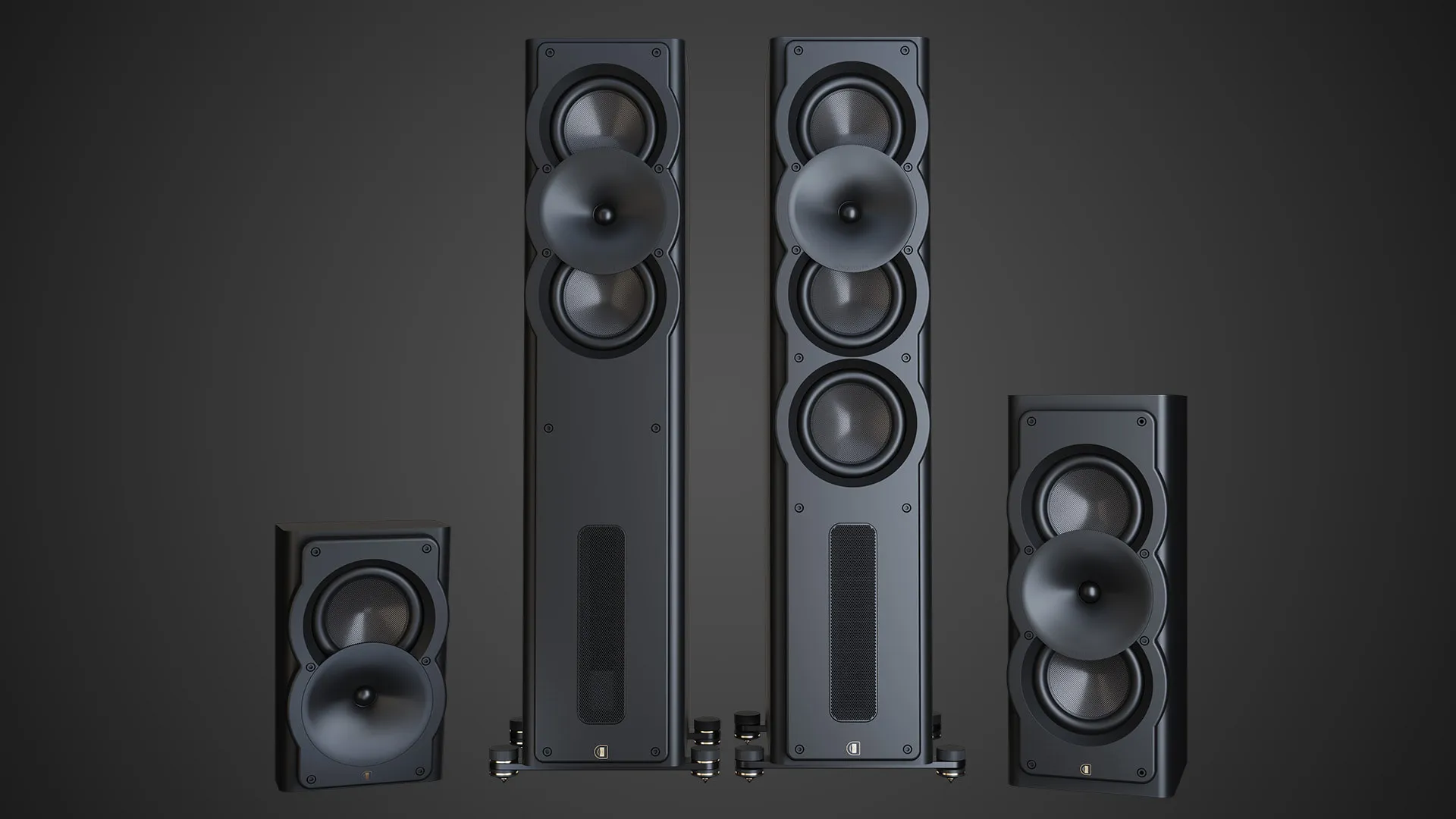
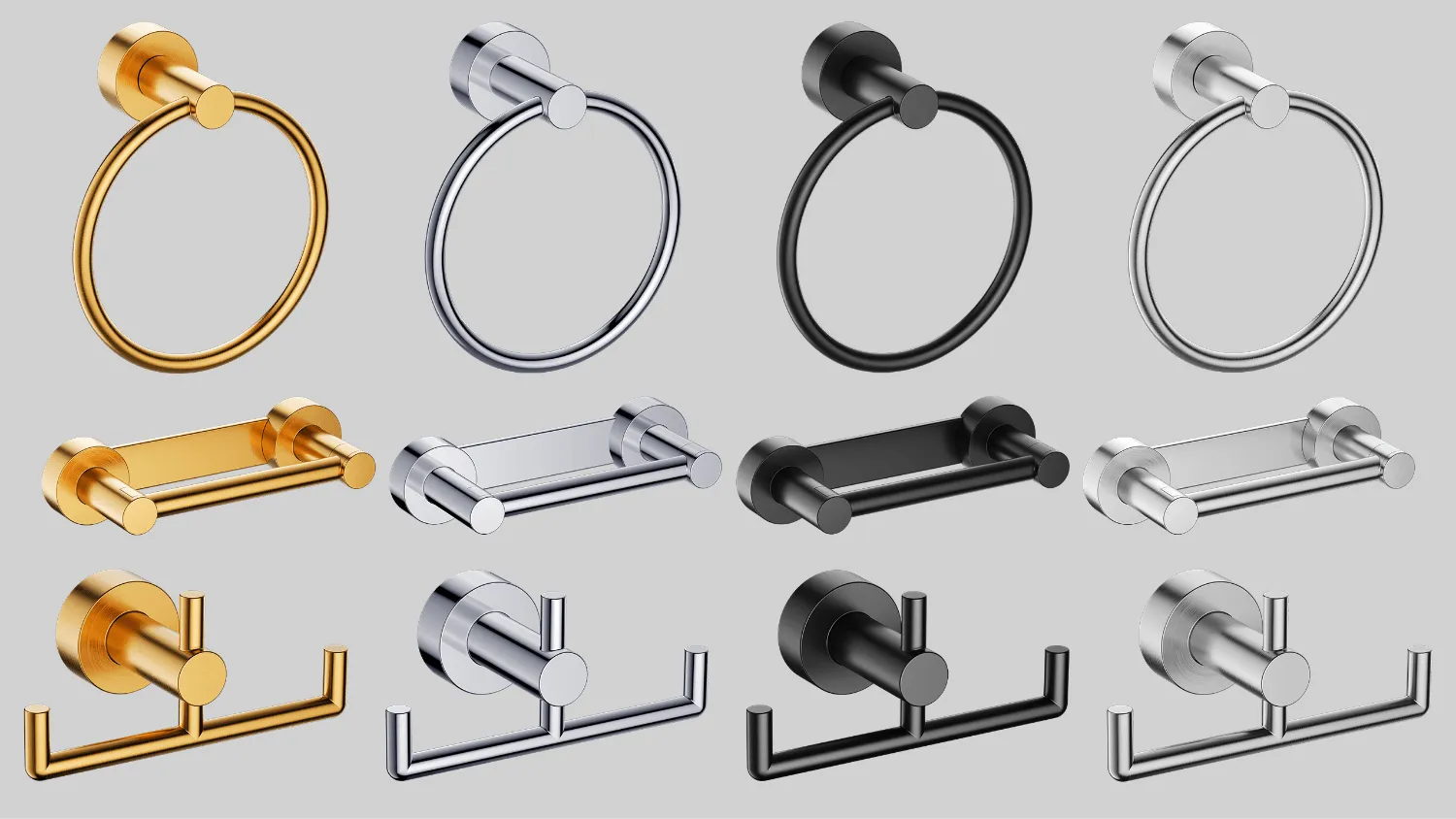
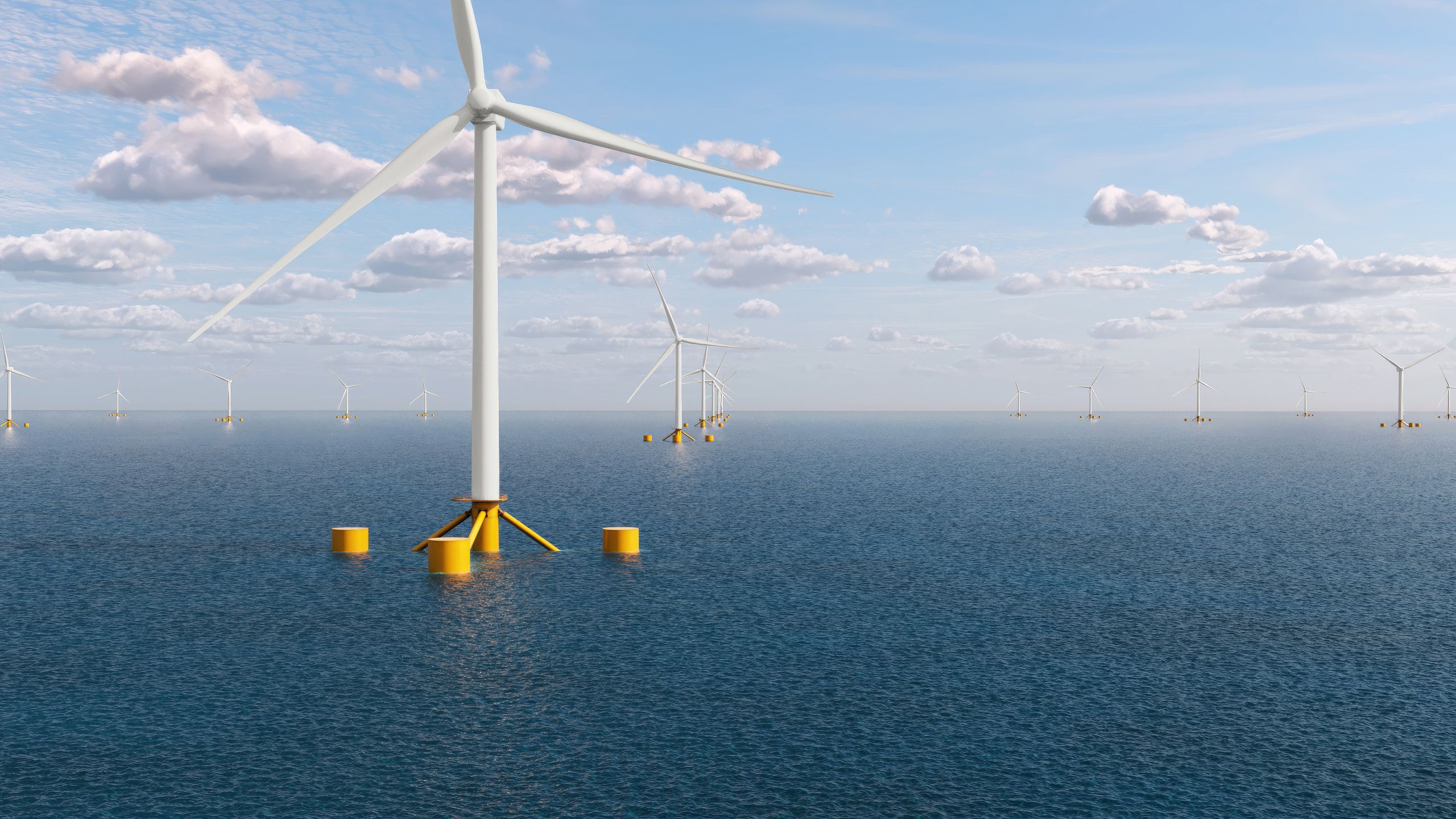
In a world where visual communication is key to success, product visualization has become an indispensable tool for companies in industry, product development and architecture. Being able to present a product or idea in a clear, engaging and realistic way can make all the difference in how customers and partners perceive and understand it. In this article we share our experience of how product visualization can take your presentations to a new level.
Benefits of product visualization in industry and product development
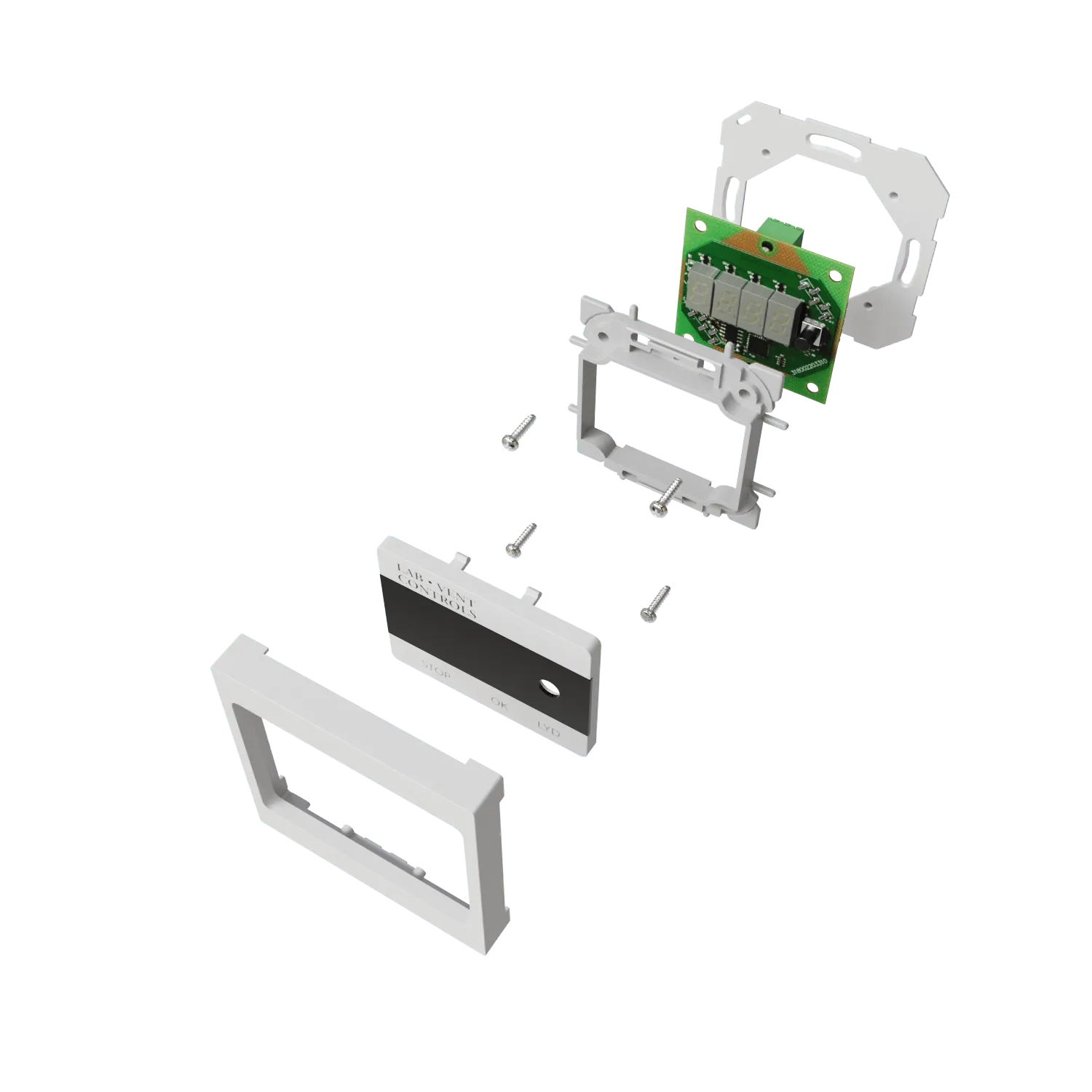
Product visualization offers a unique way to present complex products and concepts so they are easy to understand. For companies in industry and product development, that means you can:
- Reduce misunderstandings: Showing a product in 3D or as an animation clearly illustrates features and design that are hard to explain with text or 2D drawings.
- Speed up decisions: When stakeholders can see a realistic model of the product, it is easier to make fast, well-informed decisions.
- Improve collaboration: Visualizations can be shared across teams and departments, so everyone works from the same understanding.
A concrete example is a company developing advanced machine parts. Using 3D visualization, they quickly identified design flaws and optimised the product before it went into production, saving both time and money.
Practical tips for using product visualization effectively
To get the most out of product visualization, follow a few basic principles:
- Choose the right type of visualization: Depending on the purpose, still images, 360-degree views or animations may work best.
- Use visualization as part of the story: Combine images with text and explanations to create a coherent presentation.
- Test and adjust: Get feedback from colleagues and customers to make sure the visualization communicates the intended message.
Following these recommendations ensures your visualizations are not just beautiful, but functional and focused.
Implementing product visualization in your company
Integrating product visualization into your workflow takes planning and investment, but the gains are large. Here are some steps to get started:
- Identify needs and goals: Which products or projects would benefit most from visualization?
- Train your team: Make sure employees understand how to use the visualizations in their work and how they create value.
- Integrate into sales and marketing material: Make sure the material actually gets used. Unfortunately we often see material created for broad use only being used sporadically, and then its full value is never realised.
Future possibilities
Still images don’t have to stay still. A 3D visualization often forms the foundation for further material. The same 3D files can be used for animation, virtual reality (VR), augmented reality (AR) and interactive solutions, all from the same starting point, which is often a modest visualization.
- VR and AR: Let customers experience products and buildings in a virtual world before they physically exist.
- Interactive solutions: Let your customers configure and customise their product digitally.
By keeping up with these technologies, companies can make sure their presentations stay ahead and maintain a competitive edge.
Mastering the art of presenting products and projects visually is an investment that pays for itself many times over. With the right approach and partner, you can bring complex ideas to life and build stronger connections with customers and partners.
Want to know whether product visualization could give your company an edge? Contact us here.