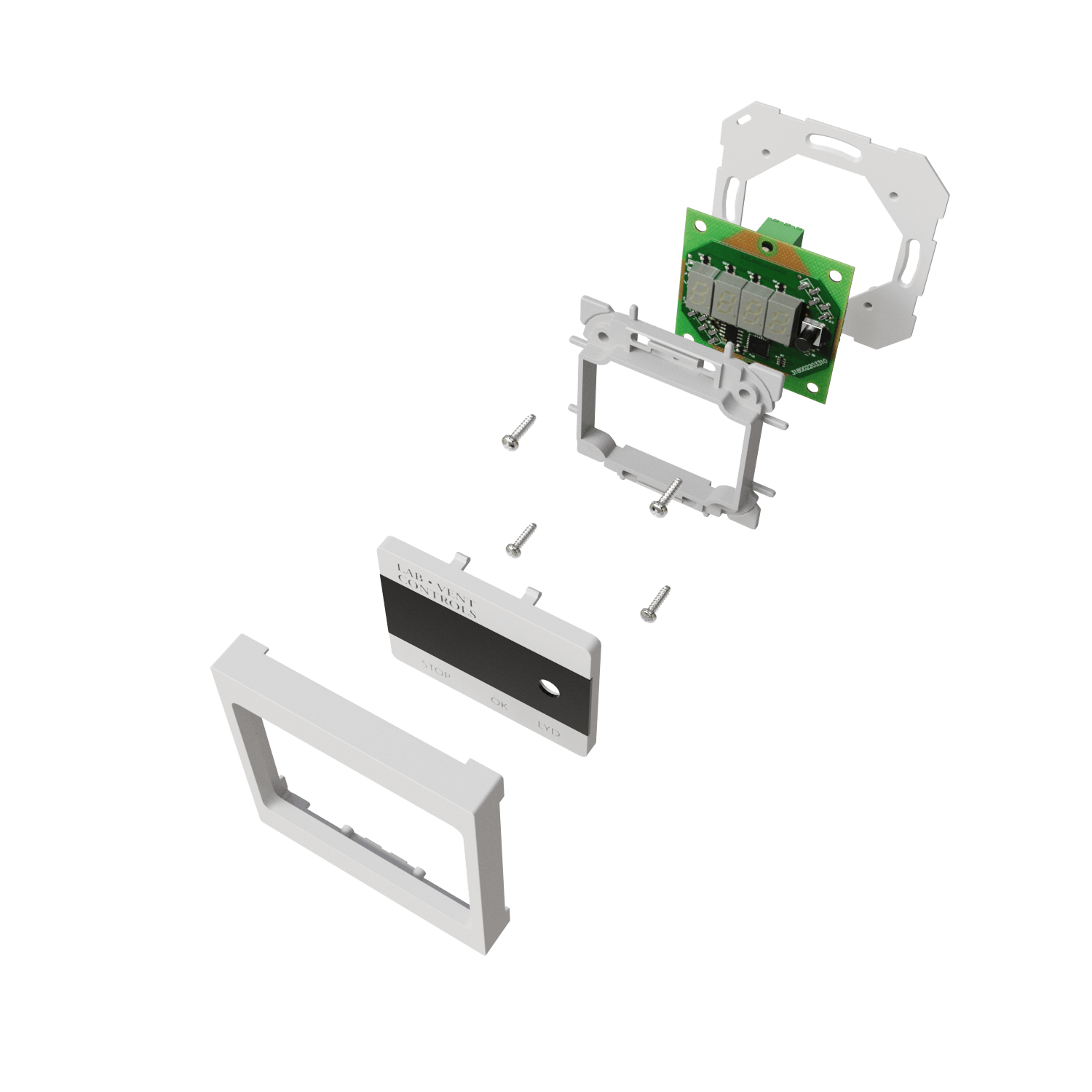
Architectural visualization, stronger presentations and better decisions
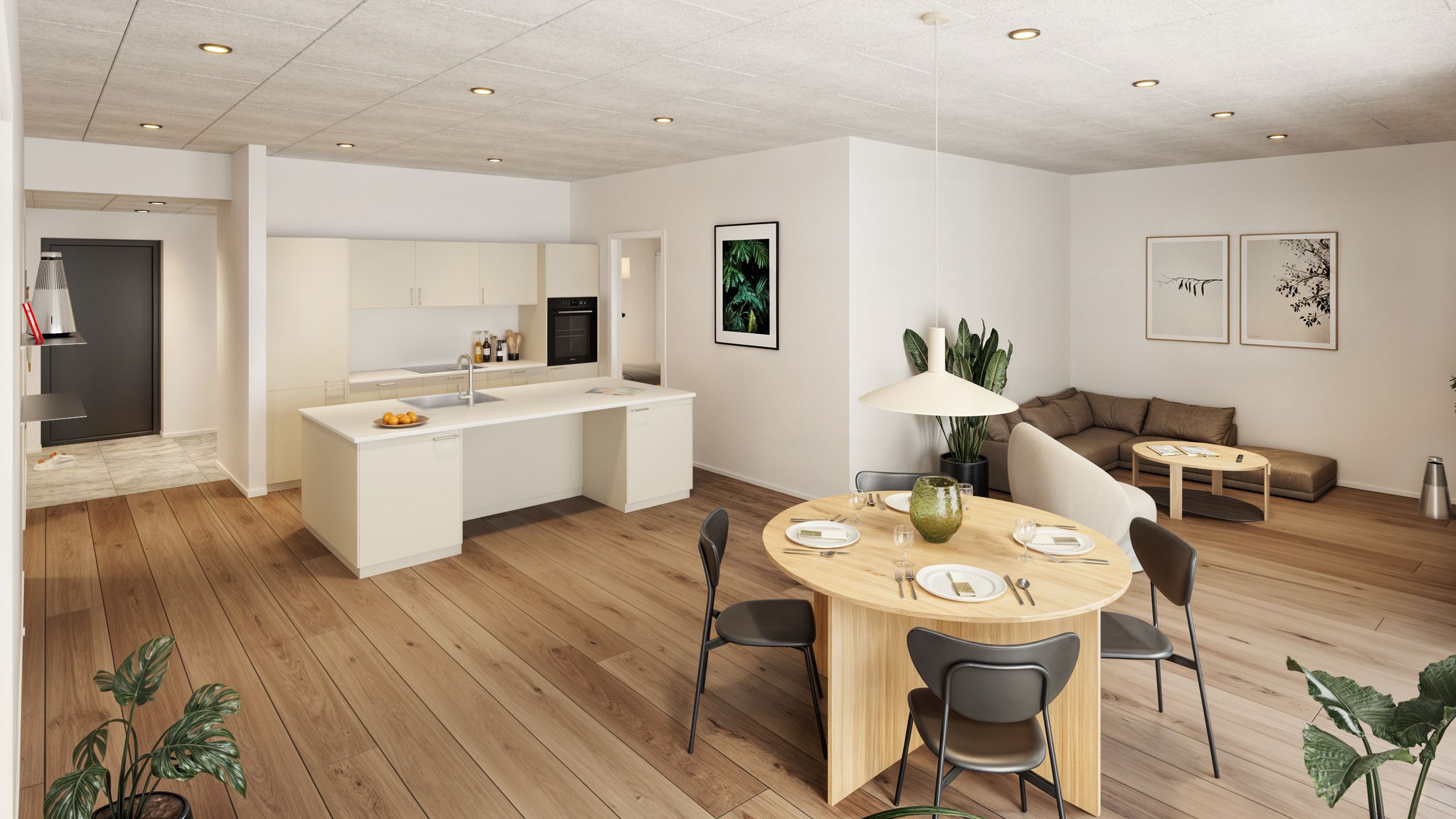
Creating vivid, accurate images of architectural projects is both an art and a science. As 3D visualization professionals, we have learned that the most successful projects are built on a set of core elements that ensure both design and message are communicated clearly and effectively. In this article we share our experience of the most important aspects of architectural visualization that companies in industry, product development and architecture should know.
The importance of precision and detail
In architectural visualization it is essential to deliver images that are not only aesthetically pleasing but also technically correct. Precise dimensions, materials and lighting make the visualization a reliable tool in the decision process.
- Accurate dimensions: All dimensions in the model must match the actual plans. That helps both architects and clients understand space and scale.
- Material choices: Realistic textures and materials give a credible impression of how the building will look in reality.
- Light and shadow: Correct lighting brings out the architecture’s forms and creates atmosphere. It can also show how daylight affects the building at different times of day.
Focusing on these details produces visualizations that are not just beautiful, but also functional and informative.
Aspects that create value for businesses
For companies in industry, product development and architecture, visualizations should not just be beautiful pictures but strategic tools that support sales, marketing and internal communication. These are the aspects we always prioritise:
- Clear communication of the concept: The visualization must clearly convey the project’s idea and function, for example by focusing on key elements such as entrances, shared areas or product integration.
- Flexibility and adaptation: The visualizations must work across formats and platforms, from printed brochures to digital presentations and social media.
- Bring still images to life with interactivity and animation: Animated sequences or 360-degree views create a more engaging experience where viewers explore the project at their own pace.
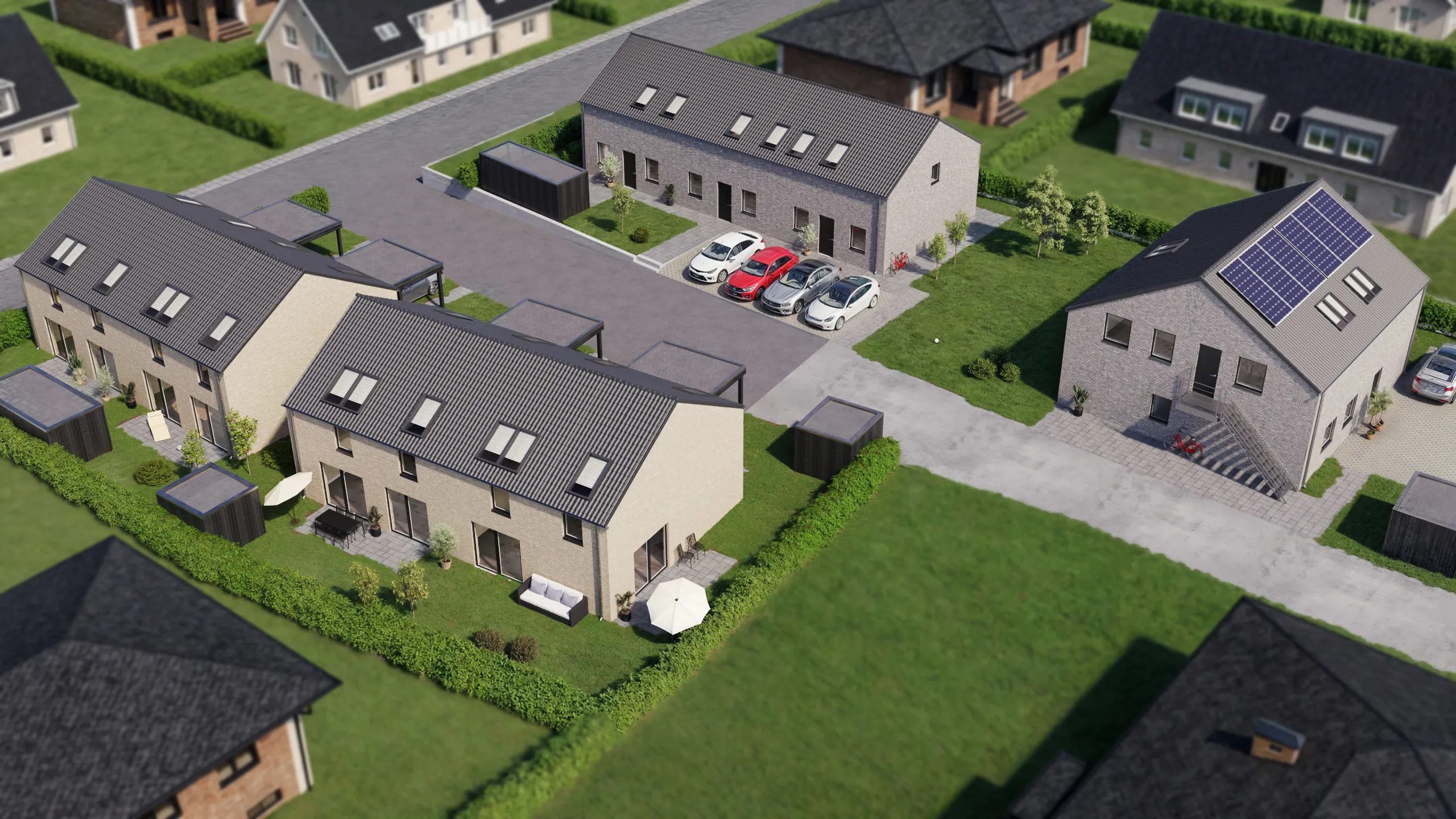
- Context: Placing the building in its surroundings helps people understand how it relates to the landscape, infrastructure and neighbouring buildings.
These aspects make visualizations an effective tool for telling a company’s story and bringing ideas to life.
Technological advances and what they mean
Technology is constantly evolving, and that has a big impact on how we work with architectural visualization. New tools and methods make it possible to create more realistic and interactive experiences. AI in particular has affected the entire visualization industry, while we still use the same core programs, our process has become faster and more efficient by adopting these tools.
- Real-time rendering: Changes to the model can be seen instantly, making the design process more efficient.
- Virtual reality (VR): VR lets you step into the virtual building and experience space and proportions in a whole new way.
- Augmented reality (AR): AR places digital models in the real world, which is useful for presentations and client involvement.
These technologies make it possible to communicate complex ideas more intuitively and engagingly: a big advantage for companies that want to stand out.
How to succeed with architectural visualization in your company
For the best results with architectural visualization, we recommend this approach:
- Define clear goals: What will the visualization be used for? Convincing investors, informing customers or supporting internal development?
- Work closely with the design team: Good dialogue between visualization specialists and architects ensures every detail is reproduced correctly.
- Choose the right style: Depending on the project, a photorealistic or a more stylised approach may be most effective.
- Test and adjust: Collect feedback from relevant stakeholders and adjust the visualizations so they serve their purpose optimally.
- Make visualization part of a bigger strategy: Integrate images and animations into marketing, sales material and digital platforms for maximum effect.
Following these recommendations helps ensure that an investment in architectural visualization delivers concrete value and strengthens your market position.
Mastering the core elements of architectural visualization is crucial for creating images that don’t just impress visually but also support strategic goals. At Simulated Image we aim to be the preferred partner for companies that want to tell their story and bring complex ideas to life through razor-sharp 3D visualization and animation. If you want to know how architectural visualization can lift your project, you are always welcome to contact us.